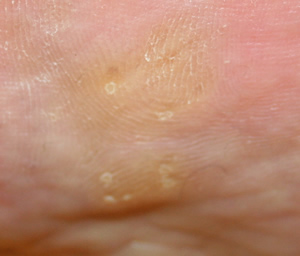
Corns & callus
Usually caused by pressure or friction, often related to footwear, foot shape or dryness. Removing or reducing corns and calluses can make your feet feel much more comfortable
Straightforward information, simple self-care advice, and guidance on when to seek help.
Appointment availability can be limited. I am no longer seeing new patients – only existing patients will be offered appointments.
A simple overview of problems people often ask about. Photos are for general illustration only.
Usually caused by pressure or friction, often related to footwear, foot shape or dryness. Removing or reducing corns and calluses can make your feet feel much more comfortable
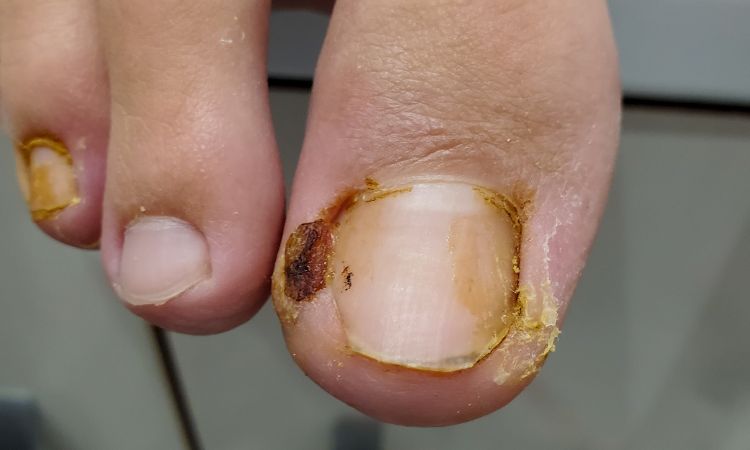
Often linked to nail shape, trimming habits, or tight shoes. Seek help if red or painful.
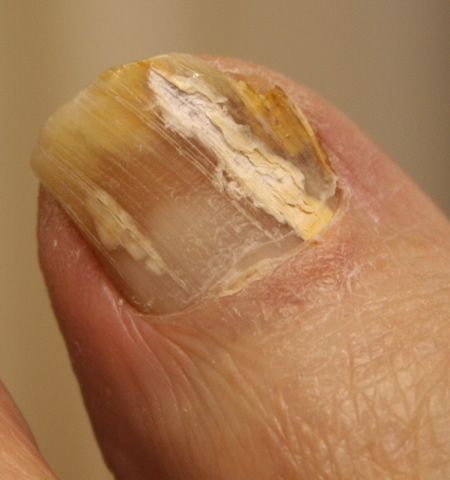
Nails can thicken after trauma or infection. Assessment can help confirm the cause.
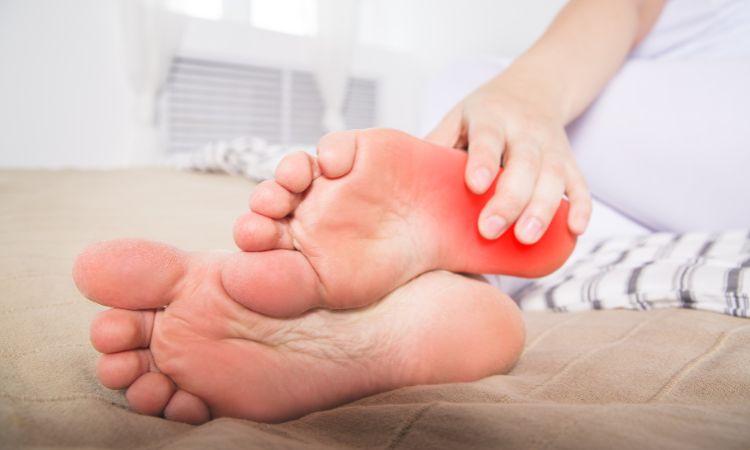
Commonly felt as pain under the heel, often worse on first steps in the morning or after resting. It is frequently linked to plantar fasciitis. Supportive footwear, stretching and orthotics can often help.
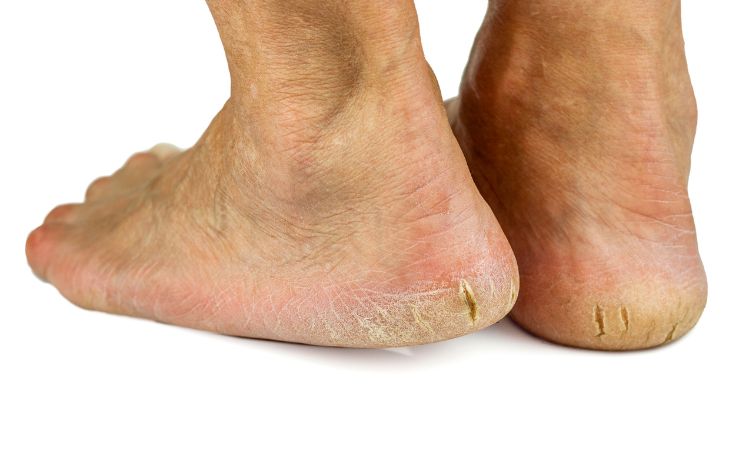
Heels can split and become very sore. Moisturising and gentle care may help.
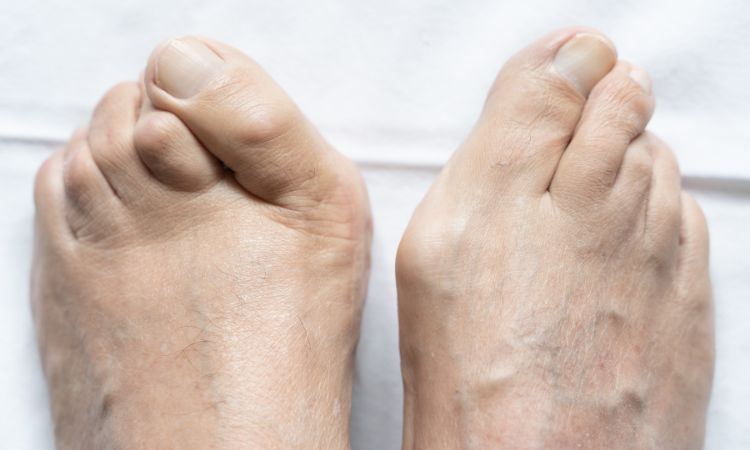
A bony prominence at the big toe joint, often with the big toe drifting inwards. Wider footwear can reduce rubbing and pressure.
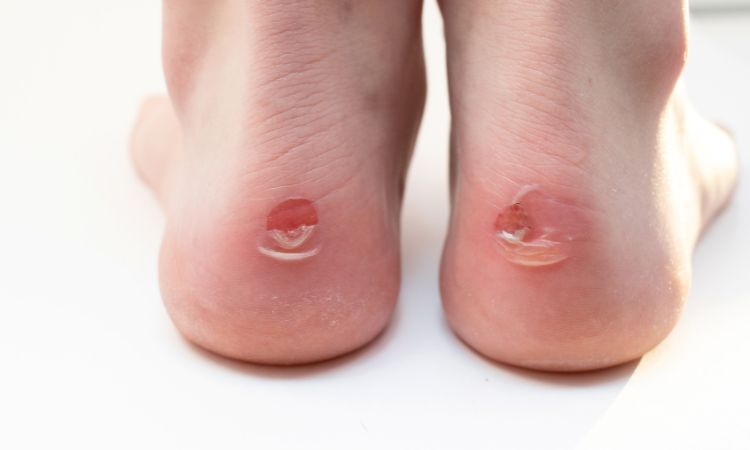
Usually caused by friction. Keep clean, avoid bursting if possible, and protect with appropriate dressings.
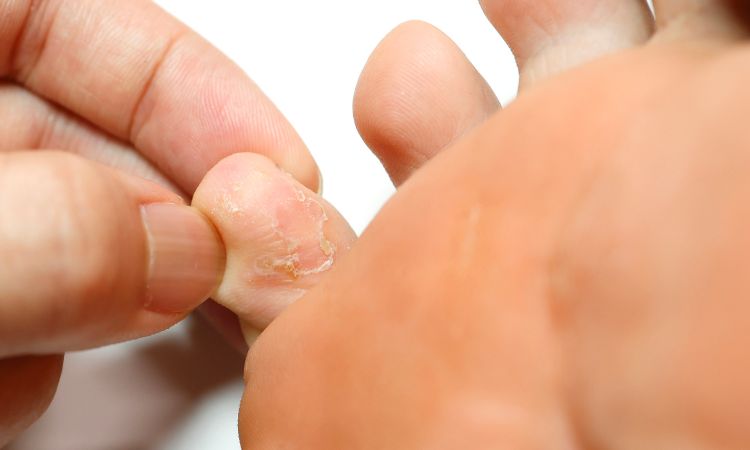
Often itchy or flaky skin, especially between toes. Keep feet dry and consider antifungal treatments.
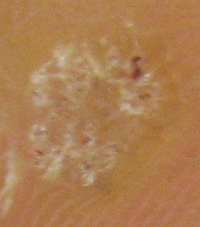
A viral wart on the sole of the foot. Some resolve naturally; persistent pain may need advice.
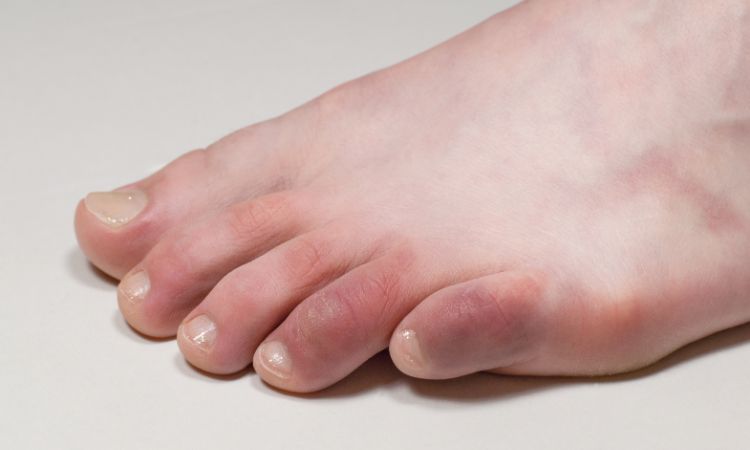
Red or purple itchy or sore patches triggered by cold. Keep feet warm and avoid sudden temperature changes.
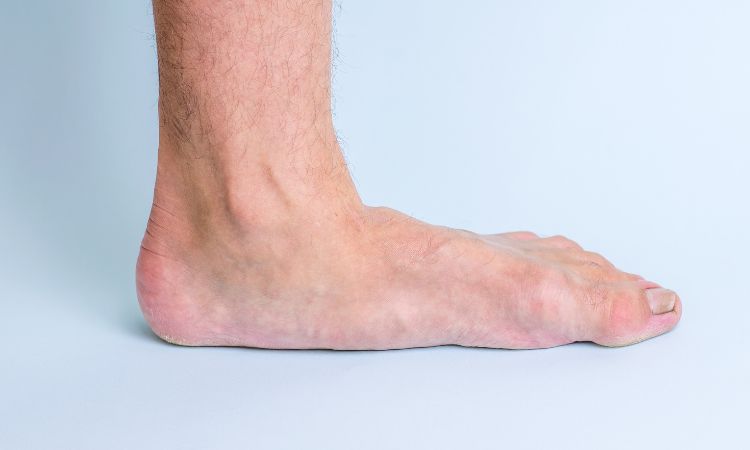
The arch of the foot is lower or absent. This can contribute to fatigue, foot pain, or ankle and knee strain. Supportive footwear and orthotics can help.
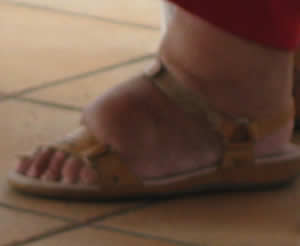
Swelling can be linked to circulation, prolonged standing, heat, or medical conditions. Persistent or sudden swelling should be checked.
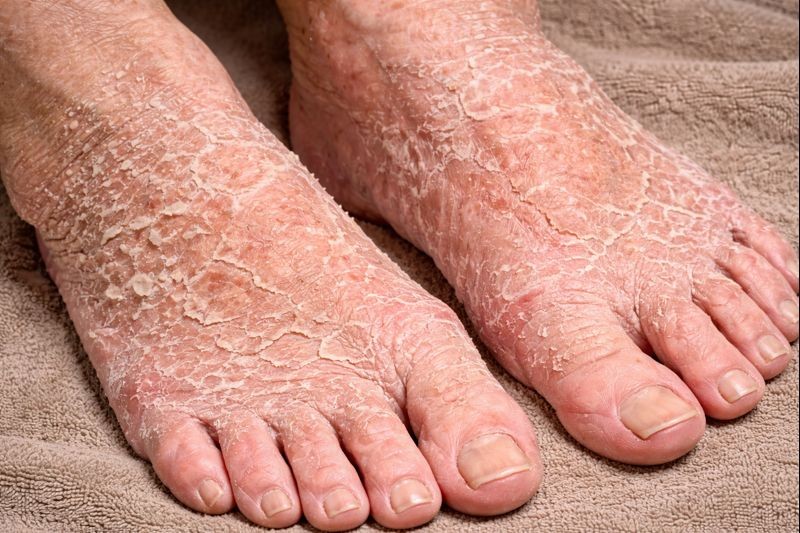
Dry, flaky or rough skin on the feet is common and can lead to discomfort or cracking. Use CCS Foot Care Cream to help moisturise the skin.
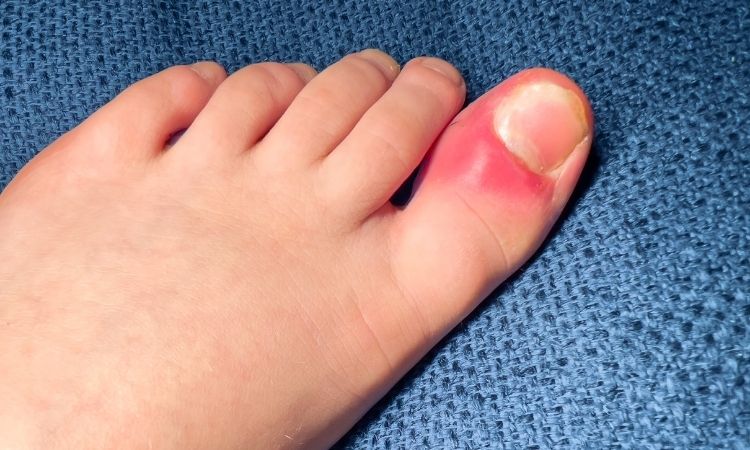
Seek urgent advice if you have increasing redness, heat, swelling, discharge, a spreading area, fever, or a wound that is not healing — especially if you have diabetes or poor circulation.
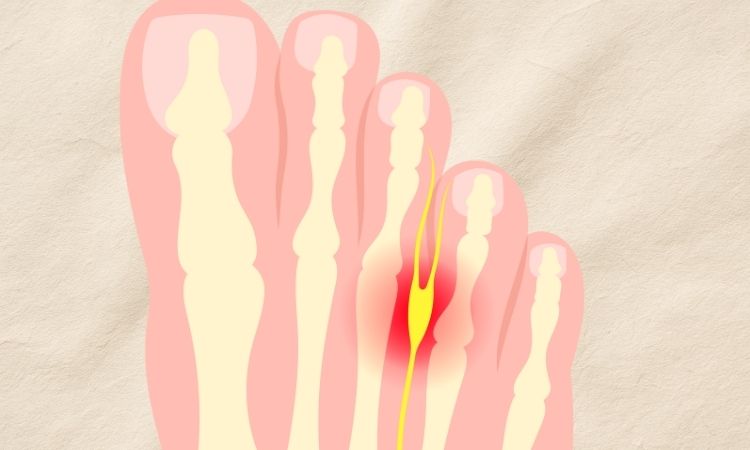
Burning or sharp pain in the forefoot, sometimes with tingling or numbness in the toes. Often worse in tight shoes. Wider footwear and metatarsal pads can help reduce/deflect pressure.